Currently, 41% of known sharks are classified as deep-sea species (that is, they spend the majority of their lives below 200 m depth), and yet, 93% of all scientific studies published in the past five years have been on shallow water species.
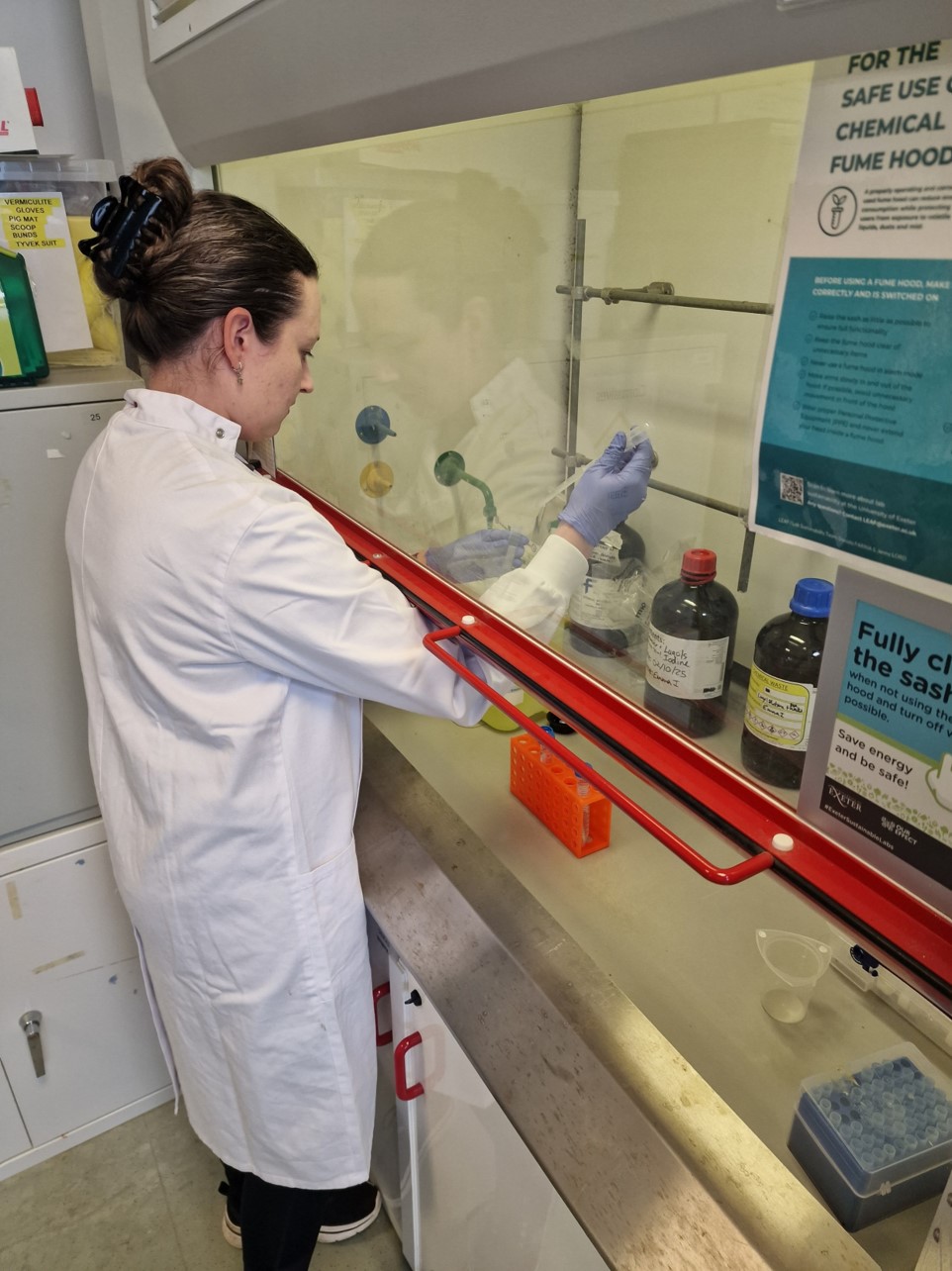
This is incredibly concerning given the increasing threats facing deep-sea ecosystems globally. We know that many deep-sea shark species have already faced more than 90% declines in their populations. It is for this reason that I established the Deep Shark Research Group (DSRG) at the University of Exeter, where I am now the Principal Investigator. Our group conducts research on a variety of deep-sea species, with a strong focus on those found within the UK. Collaborations are key to our research success and we are thankful to our partners at the Natural History Museum, Plymouth Marine Laboratory, Durham University and the Scottish Marine Directorate.
We are always open to further collaborations or media enquiries. Please get in touch.
DSRG Members
Postgraduate Researchers
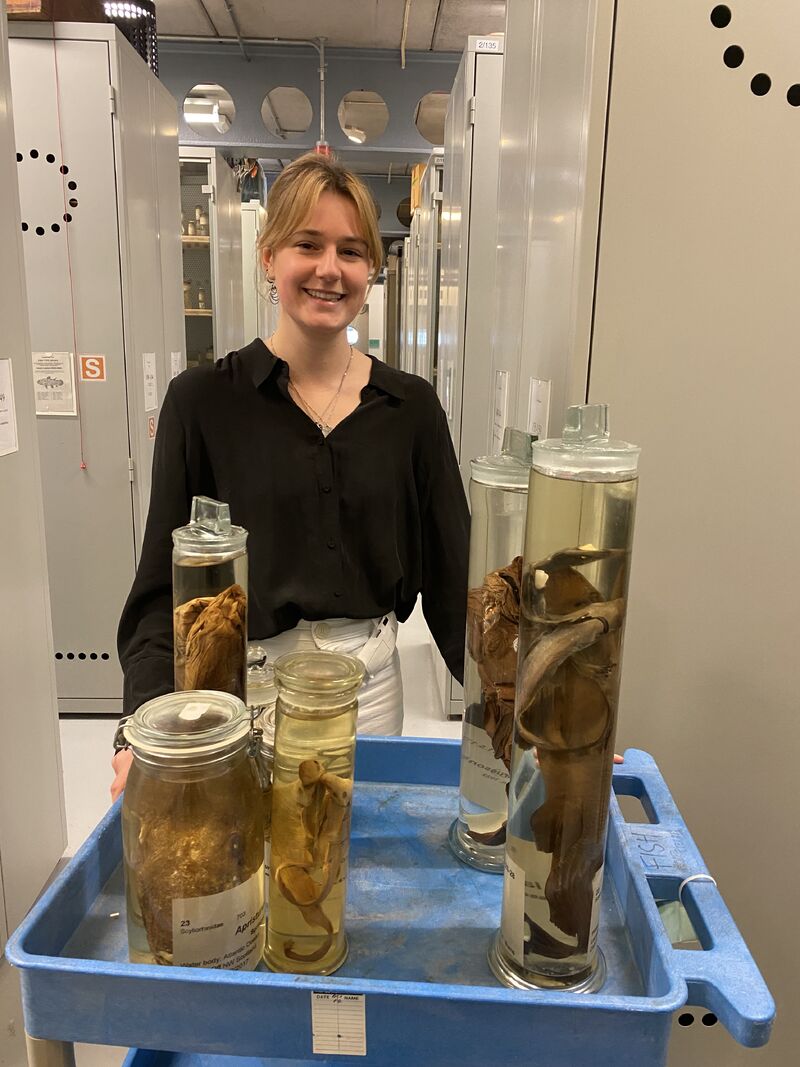
Molly McNamara-Langton
PhD Student
Molly is undertaking her doctoral studies, funded by GW4+ DTP, from September 2026 onwards. Working in collaboration with PML, NHM and the Marine Directorate, Molly is seeking to better understand spatial distribution of deep-sea elasmobranchs in the North Atlantic as well as temporal changes in their abundance. Molly will also be carrying out investigations into their sensory ecology, following on from her MSc research findings.
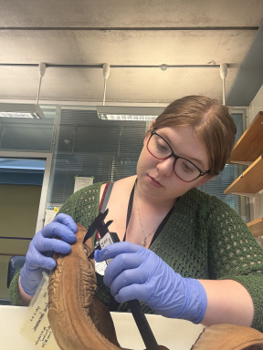
Rachel Owen
MSc Graduate
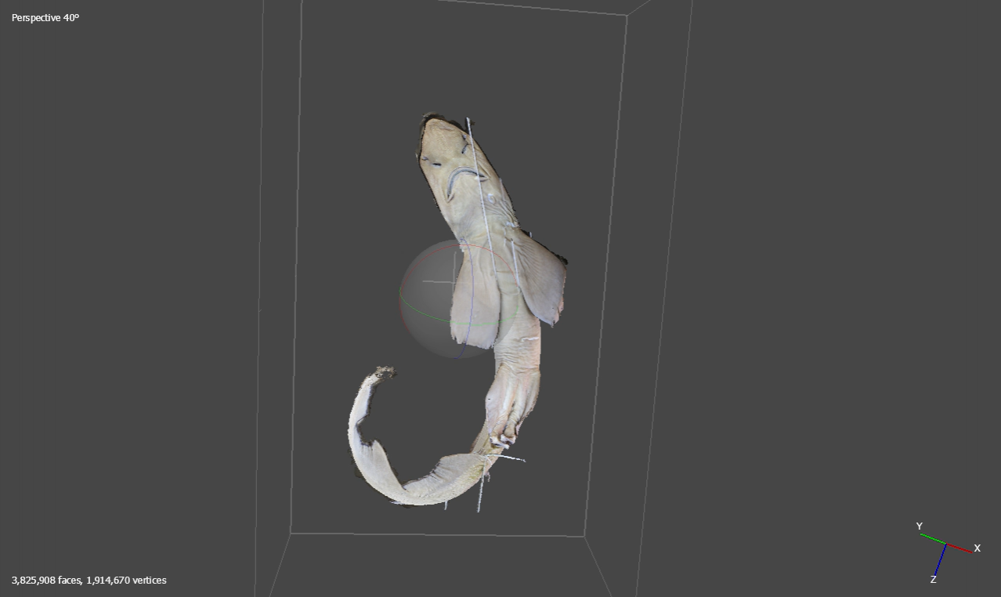
Rachel undertook work to better understand how digital 3D modelling techniques can improve cybertaxonomy, in collaboration with the Natural History Museum. Her work also provided important biological data for some of our rarest species. This work will be published in 2026.
Amelia Hersant
MSc Student
Amelia’s research examines UK gulper shark and dogfish species found in the Rockall Trough off the the west coast of Scotland. In collaboration with Durham University, Amelia is pulling together multiple datasets including demographics, stable isotopes and stomach contents for our most in-depth examination of these species ever undertaken.
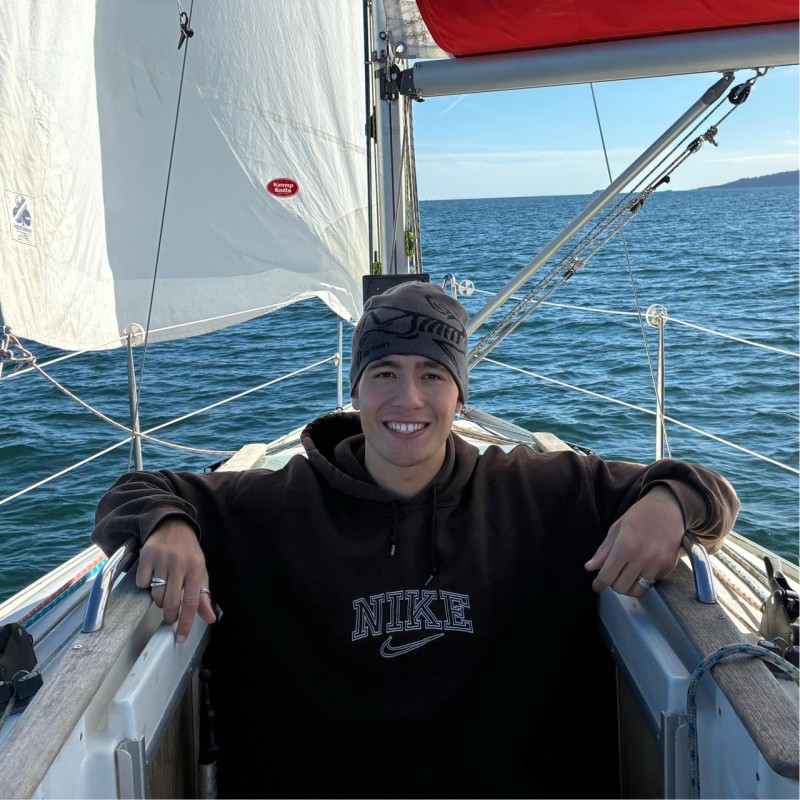
Ben Jian-min Porter
Msc Student
Building on the work of Rachel Owen, Ben is furthering the groups understanding of 3D scanning technologies with more advanced techniques and a broader array of species. Ben is collaborating with the Natural History Museum in London.

Rebecca Hegedus
MSc Student
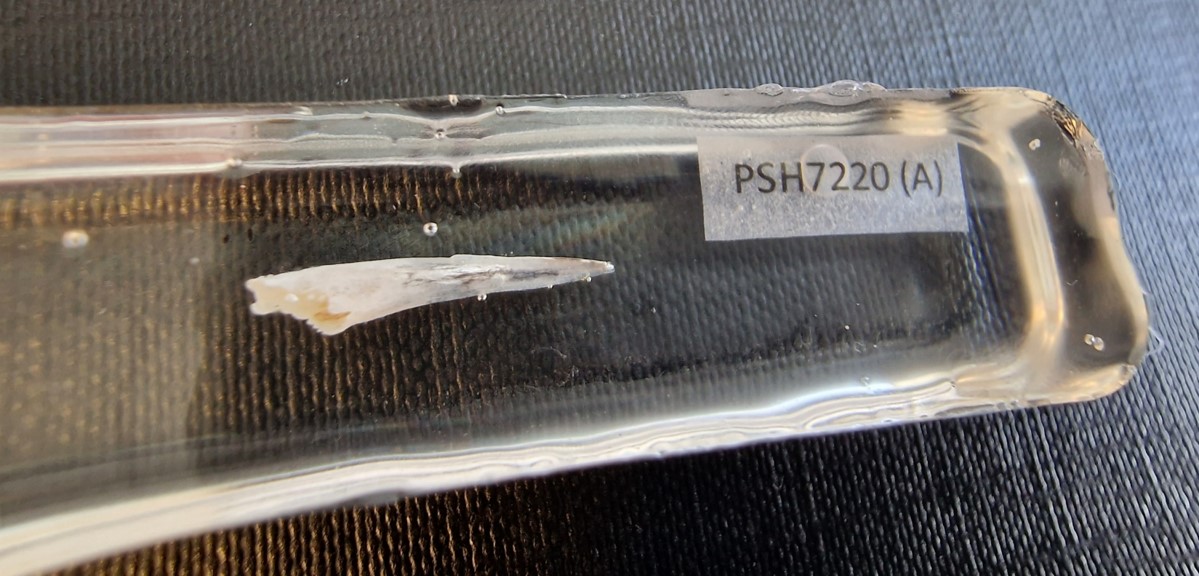
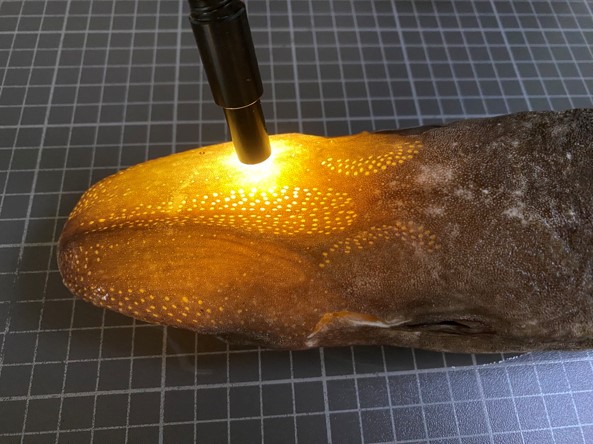
Rebecca is exploring the sensory ecology of deep-sea catsharks of the genus Apristurus. In collaboration with the Natural History Museum, Rebecca is using micro-CT scanning techniques to examine the ultrastructure of mechanosensory pores found around the shark’s rostrum.
Undergraduate Researchers

Ava Graham
BSc Graduate
Ava’s research examined the threats facing sharks, including those found in the deep sea. Using the IRACC framework and a meta-analysis of the literature Ava was able to demonstrate the most vulnerable shark species today. This research is currently undergoing peer-review.
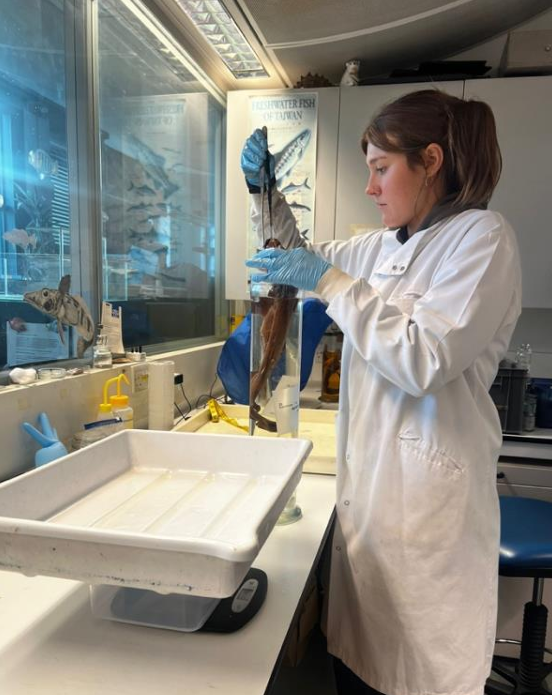
Olivia Evetts
BSc Student
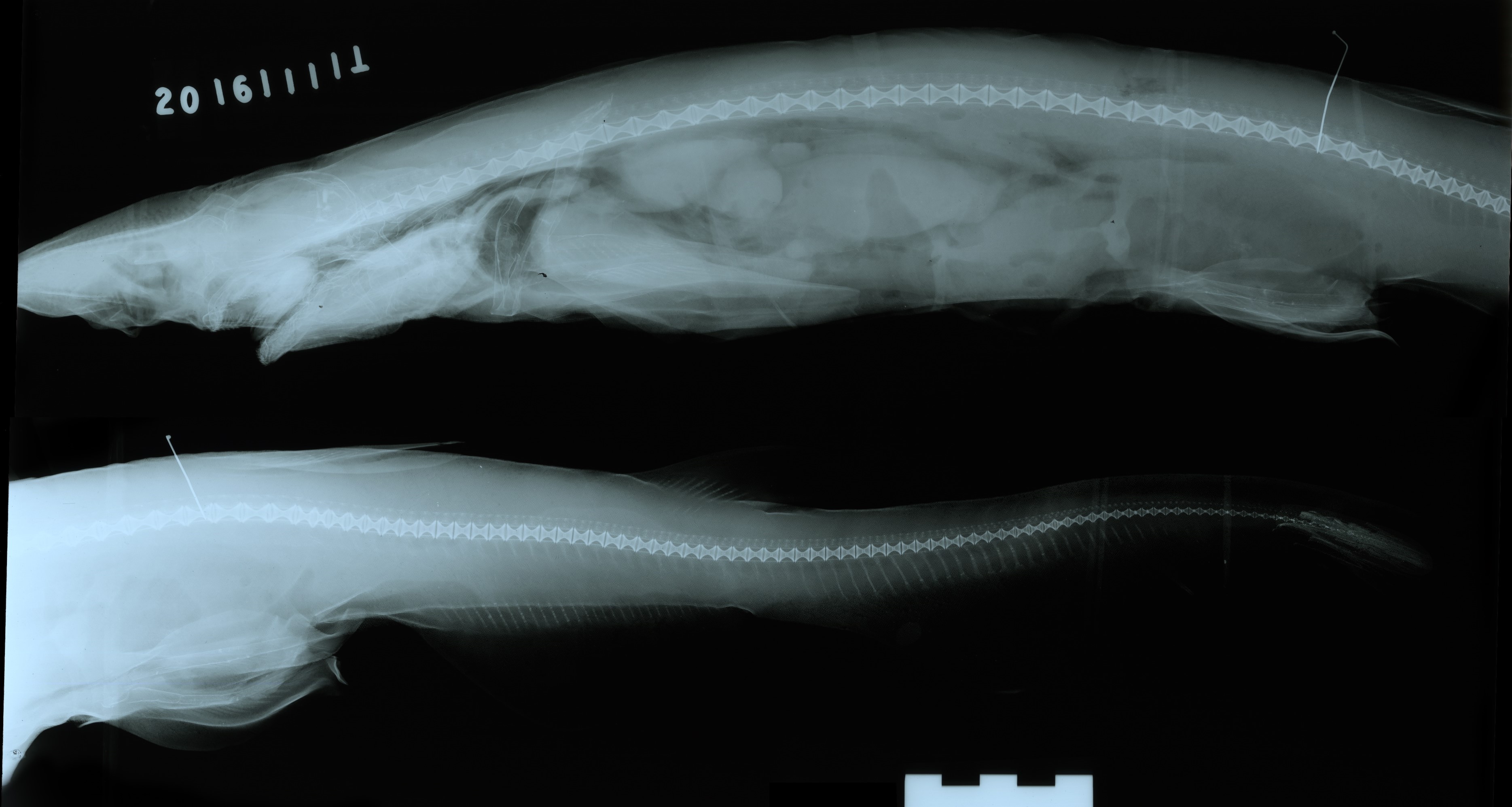
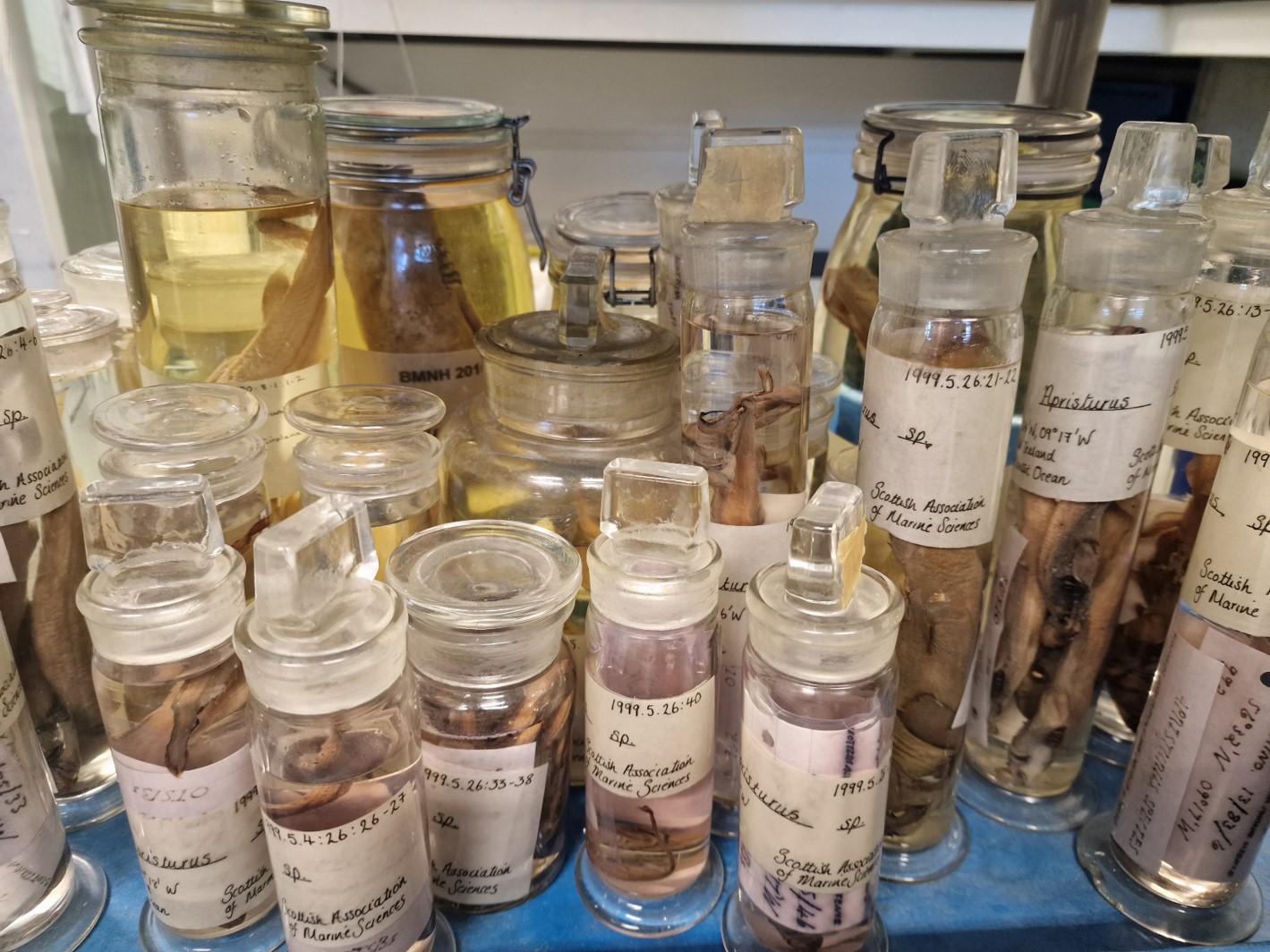
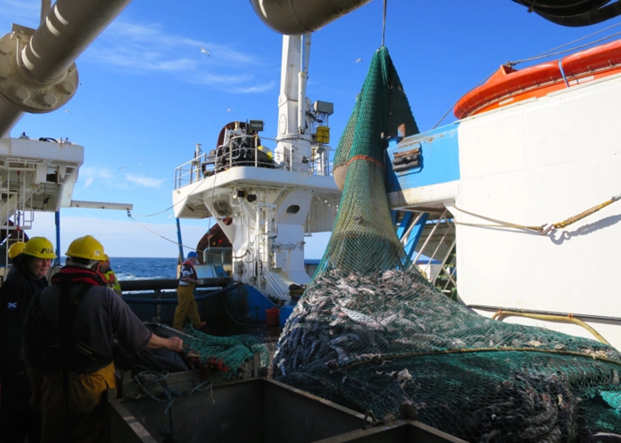
Olivia has been working on Natural History Museum specimens, as well as fresh samples from the Marine Directorate, to provide new biological data on some of the UK deep-sea shark species that is vital for effective fisheries management.